Are You Planning to Move Offices? Here are 5 Things to Consider Before You Start Looking
Choosing a new office involves much more than location, size, and price. Here are five things worth considering before you begin the time-consuming process of viewing potential office spaces.

Written by
Silje F. SundtLast published
It's easy to begin the search for a new office by browsing property listings, filtering by a few preferred locations, and comparing price-per-square-metre figures in a spreadsheet. However, that approach often starts in the wrong place.
One of the most common mistakes businesses make is not taking the time to define what they actually need the office for before they begin their search.
“Far too many companies start by asking, ‘How many square metres do we need?’ when the more important question is, ‘How do we want to work?’”
He has had countless meetings with companies looking for new office space, yet many would benefit from challenging the way they think about offices and workplace solutions.
Here are five questions Indal believes companies should carefully consider before deciding on their next office.
1. Agree on what you actually need before you start viewing offices
Choosing a new office affects more than just the person signing the lease. The CFO is often focused on costs and risk. HR is concerned with workplace culture, employee wellbeing, and recruitment, while others may care most about the lunch offering or whether there are enough meeting rooms in the building.
For most companies, one of the most important factors is location. Commuting time, public transport connections, bike facilities, parking options, and proximity to clients and business partners can all have a significant impact on both employee satisfaction and productivity.
In today's workplace, where employees often have greater freedom to choose where they work, the office must also be somewhere that is easy and attractive to get to.
Rolf Arne therefore encourages companies to gather input from across the organization and create a simple brief outlining what they are looking for in a new office.
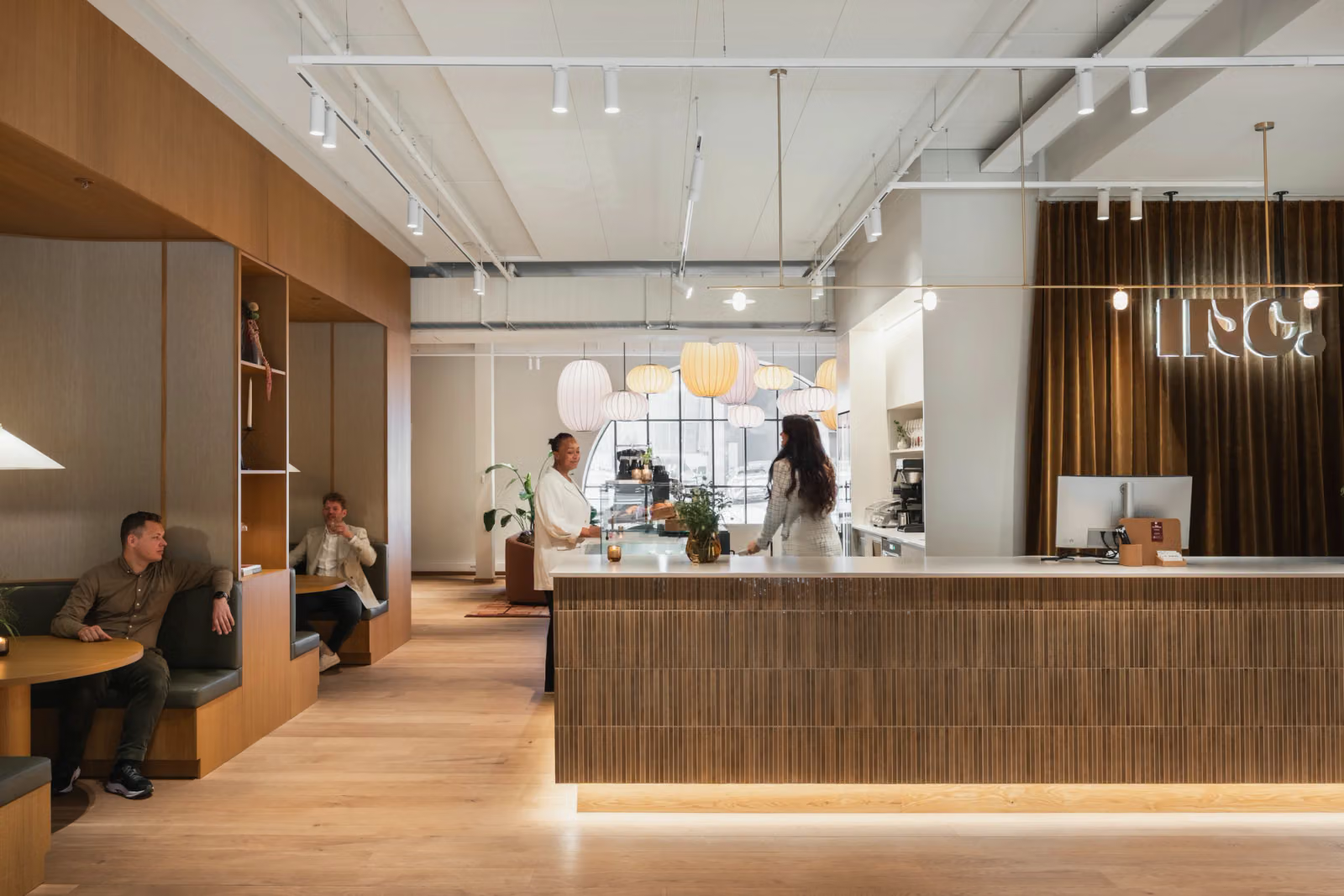
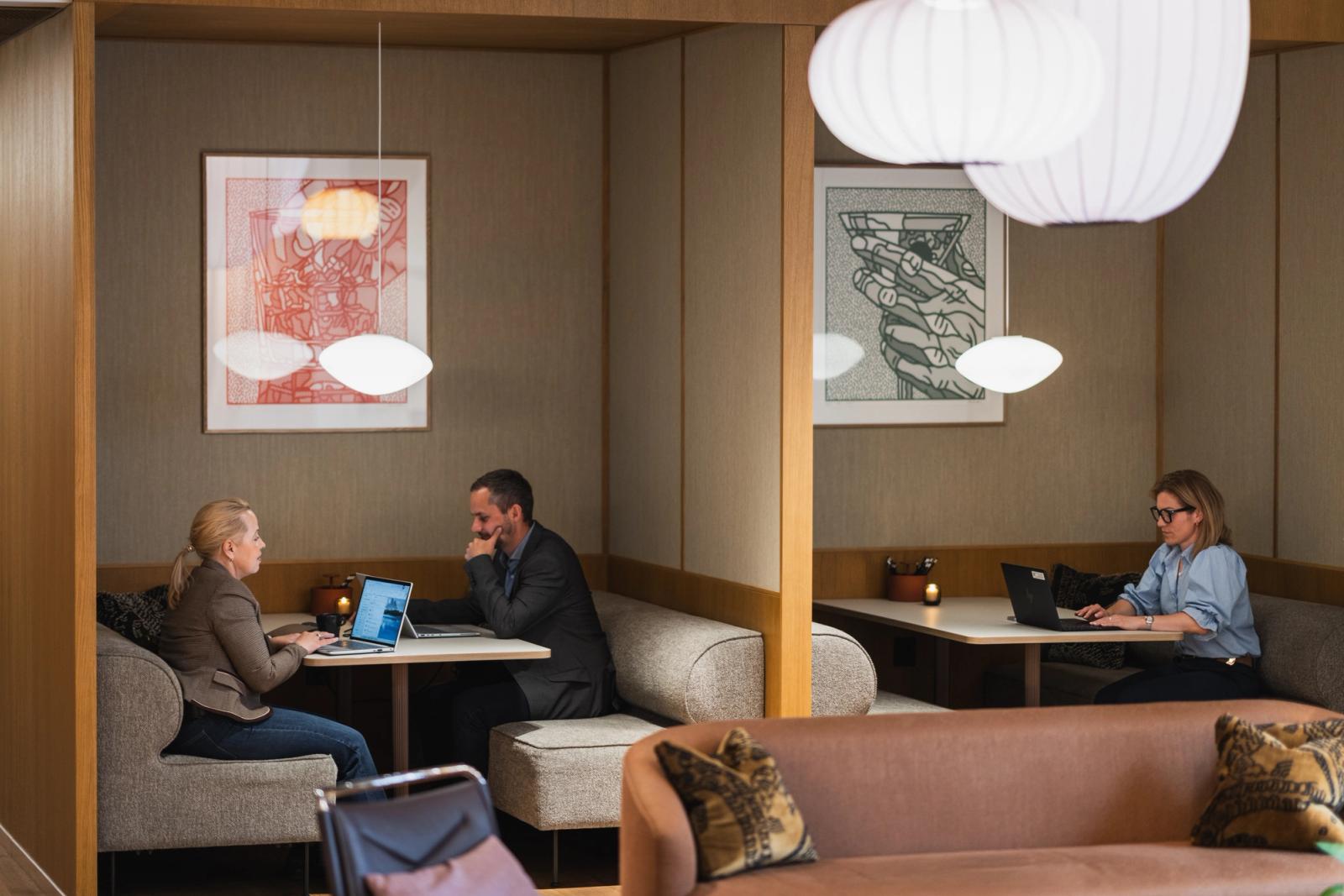
Some employees need quiet spaces and work best independently, while others thrive in more open environments. Most organizations need a combination of collaborative areas, video meeting facilities, and places where the entire company can come together.
2. Start with how you work, not how many employees you have
Thirty employees do not necessarily mean you need thirty permanent workstations. How many people are actually in the office at the same time? How often do employees work remotely? How much time do they spend at client sites? And how much of the working day is dedicated to meetings, focused work, or collaboration?
The answers to these questions will influence not only how much space you need, but also what kind of space.
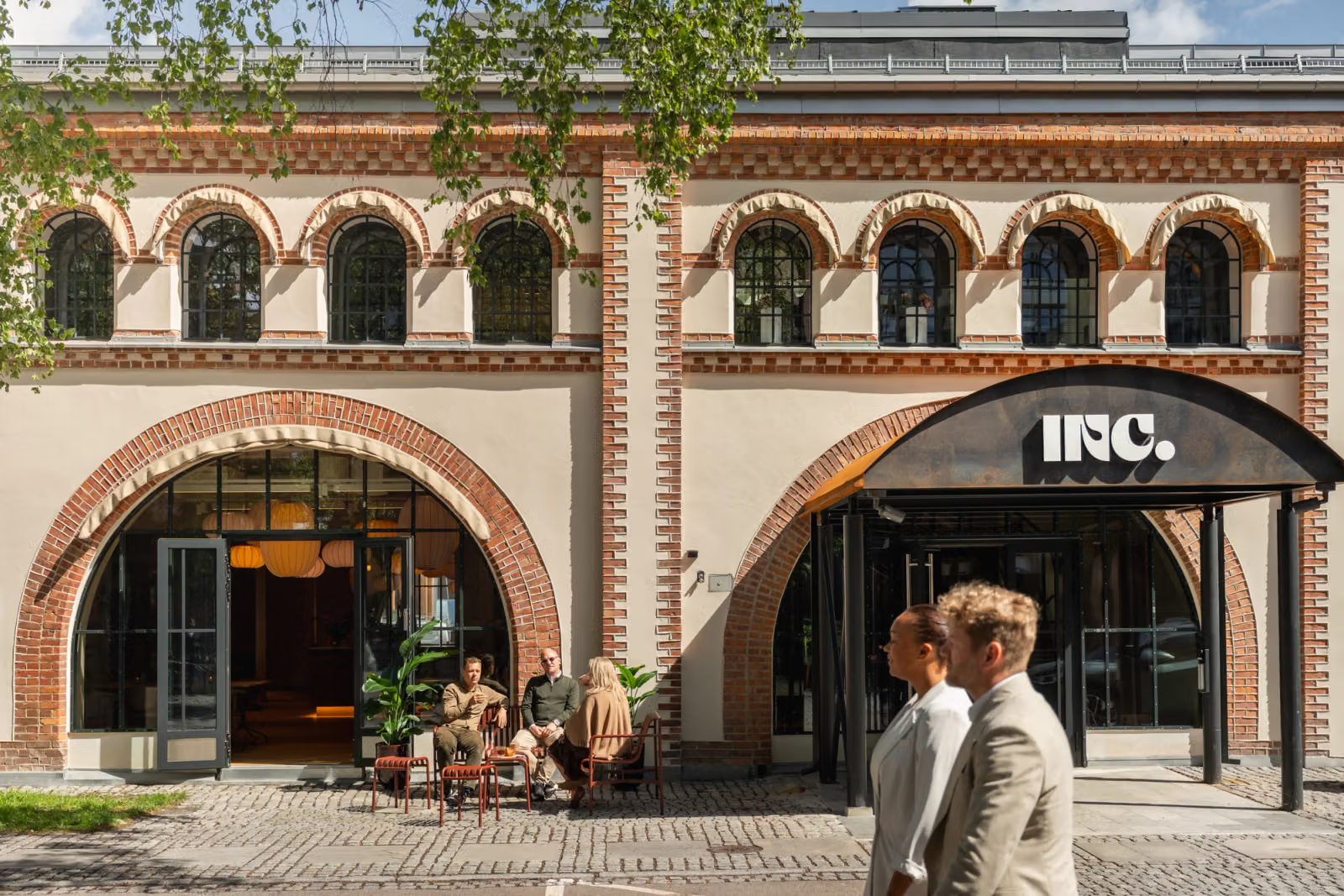
Indal highlights the consultancy firm Markedssjefene, which currently leases office space at INC in Karenslyst Allé, as a good example of this approach.
“Many of their consultants spend most of the week working at client locations, meaning the company needs far fewer permanent workstations than the total number of employees would suggest. When the team gathers, they make use of meeting rooms and shared spaces here at KA10 instead. This allows them to avoid sizing the entire office around the one day a week when everyone is present at the same time,” he explains.
This is a very different way of thinking about office space than the traditional model of one desk per employee.
And it is not just about the number of workstations. A good office solution should also support the variety of activities that make up the working day.
“I often say that a clear description of how people work is more valuable than a fixed requirement for a certain number of square metres,” says Indal.
3. Check How Flexible the Solution Really Is
“Flexible office” is a term used to describe many different things, and it is easy for providers to claim they offer flexibility. But how flexible are they in practice?
What happens if your company suddenly grows? Or shrinks? Can you easily move to a larger or smaller office without starting the entire process over again? Can you add workstations as your needs change? And how long are you committed to the agreement?
It is difficult to know exactly what your business will look like in three or five years. With a traditional lease, companies often have to plan and pay for future space requirements from day one. Flexible office agreements, on the other hand, allow businesses to scale their office space up or down as their needs evolve.
Flexibility is therefore as much about managing financial risk as it is about convenience.
“It is important to think ahead and avoid paying for your entire future today. Otherwise, you risk wasting money on space you do not actually need,” he says candidly.
“Whenever I show clients around, I encourage them to think carefully about what flexibility really means in the office solutions they are considering.”
At INC., businesses can choose from rolling agreements or fixed terms of six, 12, or 24 months. But flexibility is not only about contract length. Companies can also adapt their office setup over time as their requirements change.
One example is the debt collection company COEO, where flexibility has played a key role.
“They moved in with us when we opened Karenslyst Allé 10 in January 2025 with just one employee. Today, they are a team of nine who use the space regularly. Throughout their growth, we have maintained a close dialogue and adjusted their office solution so it could scale alongside the business,” he explains.
He then adds proudly:
“What makes it even more rewarding is that they have also signed an agreement for office space in our new flagship location at Hammersborg Torg. I am genuinely looking forward to welcoming them when we open the doors there in January 2027.”
4. Compare the Total Cost, Not Just the Rent
One of the most common mistakes companies make when comparing a traditional lease with a flexible office solution is focusing solely on rent and square metre rates. This can lead to a misleading comparison.
What is often left out of the equation are all the costs beyond the monthly rent, including:
Service charges and common area costs
Electricity and internet
Cleaning services
Furniture and office equipment
AV equipment and technical solutions
Coffee and kitchen facilities
Printers and office supplies
Reception and support services
Meeting rooms and underutilised space
Then there are the setup costs.
An empty office may need to be designed, furnished and equipped before employees can move in. These upfront investments are easily overlooked when comparing office solutions based solely on monthly rent.
There is also another cost that many businesses forget to account for: the time required to manage and operate the office.
“Someone needs to oversee cleaning, internet, coffee machines, furniture, suppliers and everything else that keeps the workplace running smoothly. Each task may seem small on its own, but together they can require a significant amount of time,” says Indal.
With a flexible office solution, many of these services are already included. At INC., this includes reception services, cleaning, internet, coffee and tea, furnished office spaces and ongoing workplace support.
For some businesses, this can also reduce the need for dedicated office management or reception resources. This is part of what is often referred to as Space as a Service (SaaS), meaning that you are not simply renting office space, but investing in a complete workplace solution.
“That is why you should not only ask what the rent costs. You should ask what the office truly costs in terms of money, time and resources,” says Indal.

5. Consider the Role the Office Should Play in Your Business
The final question is perhaps the least about the office itself. In a working environment where many employees split their time between the office, home, and other locations, the office plays a different role than it did in the past.
It is no longer necessarily the place where everyone needs to be every day. Instead, it is where colleagues meet, collaborate, build relationships, and feel connected to the wider organisation.
“For many businesses, the office has become more important as a meeting place and a driver of company culture. That is why companies should also ask themselves what will make employees actually want to come into the office,” says Indal.
However, he believes companies should also look beyond their own office space.
“I wish more businesses would ask what kind of environment they are becoming part of. An office is not just about four walls and workstations. It is also about the people around you.”
Being located in a building alongside other companies can lead to new connections, fresh perspectives, and greater energy throughout the working day.
This is also a key part of how INC. approaches the workplace: creating scalable office solutions and making efficient use of space, while at the same time providing environments that support collaboration, community, and employee wellbeing.
Don’t Decide on the Solution Before Defining the Need
A traditional office lease may be the right choice for some businesses, while a more flexible office solution may be a better fit for others.
According to Indal, the key is not to decide on the solution before doing your homework.
“Align on what you actually need, start with how your people really work, and think carefully about how much flexibility you may need if reality turns out differently than planned. If you do that, you will be in a much stronger position when you begin evaluating office spaces,” he concludes.
Considering a New Office?
At INC., you can choose from flexible office solutions that can be tailored to both the size of your business and the way your people work. Get in touch with us today to arrange a viewing and learn more about what it is like to lease office space with us.