What do you get with a flexible office solution – and how does it differ from a traditional lease?
Many people compare office space based on the price per square metre, but that rarely tells the full story. In practice, significant differences are often hidden behind the numbers. Here, we explain what is included in flexible office solutions and how they differ from traditional office leasing.

Written by
Silje F. SundtLast published
Choosing an office is about far more than the price per square metre. Yet this is often where comparisons begin, simply because it is the most readily available figure.
The challenge is that the price per square metre alone says very little about what you are actually paying for. In practice, significant differences are hidden behind the numbers, as they do not reflect what is included, how the workspace is managed, or which responsibilities and day-to-day tasks fall to you as the tenant.
It is only when these factors are considered as a whole that the difference between a traditional lease and a flexible office solution becomes truly clear.
Two Different Ways to Lease Office Space
In reality, there are two fundamentally different ways to lease office space.
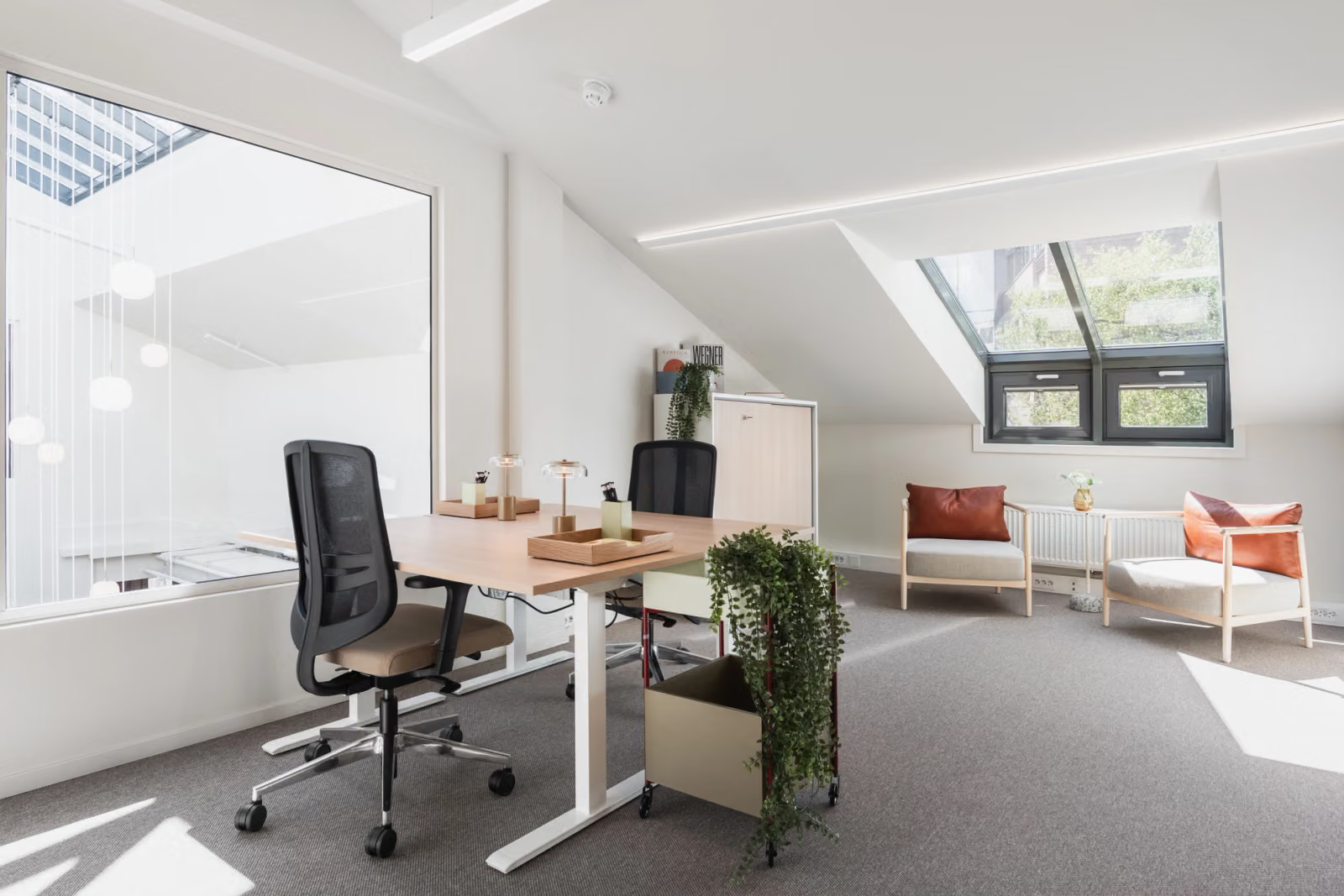
With a traditional office lease, you rent the space itself and are responsible for establishing and operating the office. This includes everything from fit-out and furnishing to ongoing management, maintenance, and day-to-day operations. Lease agreements are typically long term, often ranging from five to ten years, requiring decisions that align with a long planning horizon.
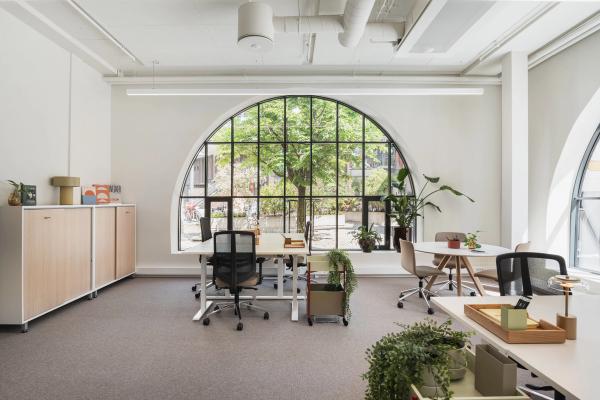
With a flexible office solution, the model is structured differently. Instead of leasing only the space, you gain access to a fully equipped workspace where the office, infrastructure, operations, and services are included. The solution is ready to use from day one and can be adjusted as your business needs evolve throughout the lease period.
The difference between these two models is therefore not just about price. It is about what is included in the agreement and how much responsibility you take on as a tenant.
What Are You Actually Paying For?
With a traditional office lease, you need to distinguish between your private office space and shared areas. Service charges are often calculated as an additional cost based on the leased area, sometimes adding as much as 30%. These charges cover shared building facilities such as entrance areas, corridors, technical rooms, staff restaurants, bicycle parking, fitness facilities, changing rooms, and showers.
In addition, businesses must allocate space within their own premises for meeting rooms, social areas, kitchens, and circulation space.
On top of this come ongoing operating expenses such as electricity, internet, cleaning, maintenance, and office equipment. Furniture, IT infrastructure, and audiovisual solutions must either be purchased or leased, requiring both time and resources to establish and manage.
As a result, the total cost of occupancy extends far beyond the rent itself. Investments, operational expenses, and administrative responsibilities all need to be taken into account.
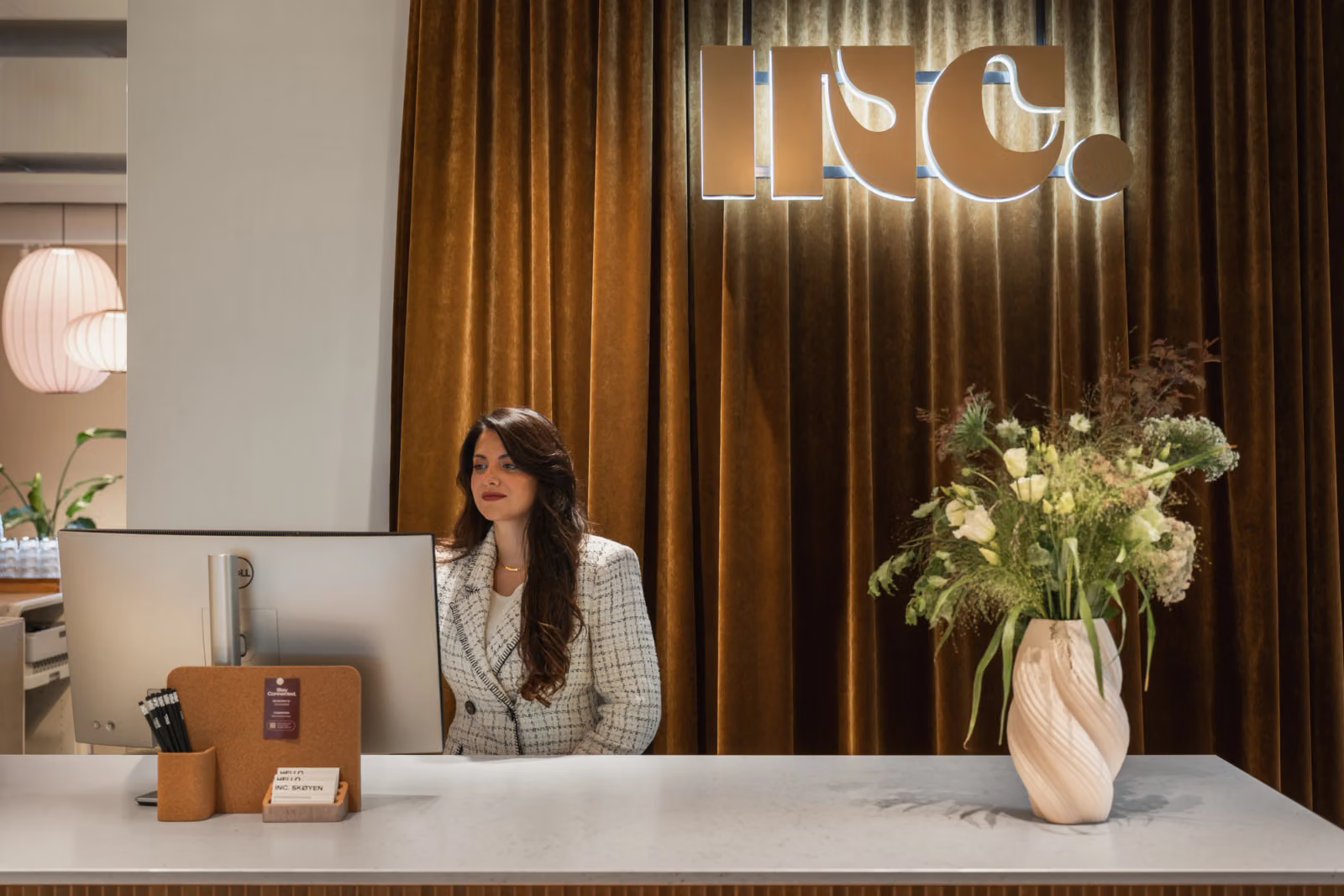
In flexible office solutions, all of these elements are brought together in one package. Shared amenities, furniture, internet, cleaning, operations, and workplace services are included as part of the solution, allowing businesses to focus on their core activities rather than managing the office themselves.
Flexibility in Practice
The biggest difference between the two models lies in how you plan for the future.
With a traditional office lease, you need to anticipate growth, economic changes, organizational developments, and how your office space will be used, often several years in advance. In practice, these factors can be difficult to predict, yet your decisions are locked into a long-term lease agreement and the associated costs are incurred from day one.
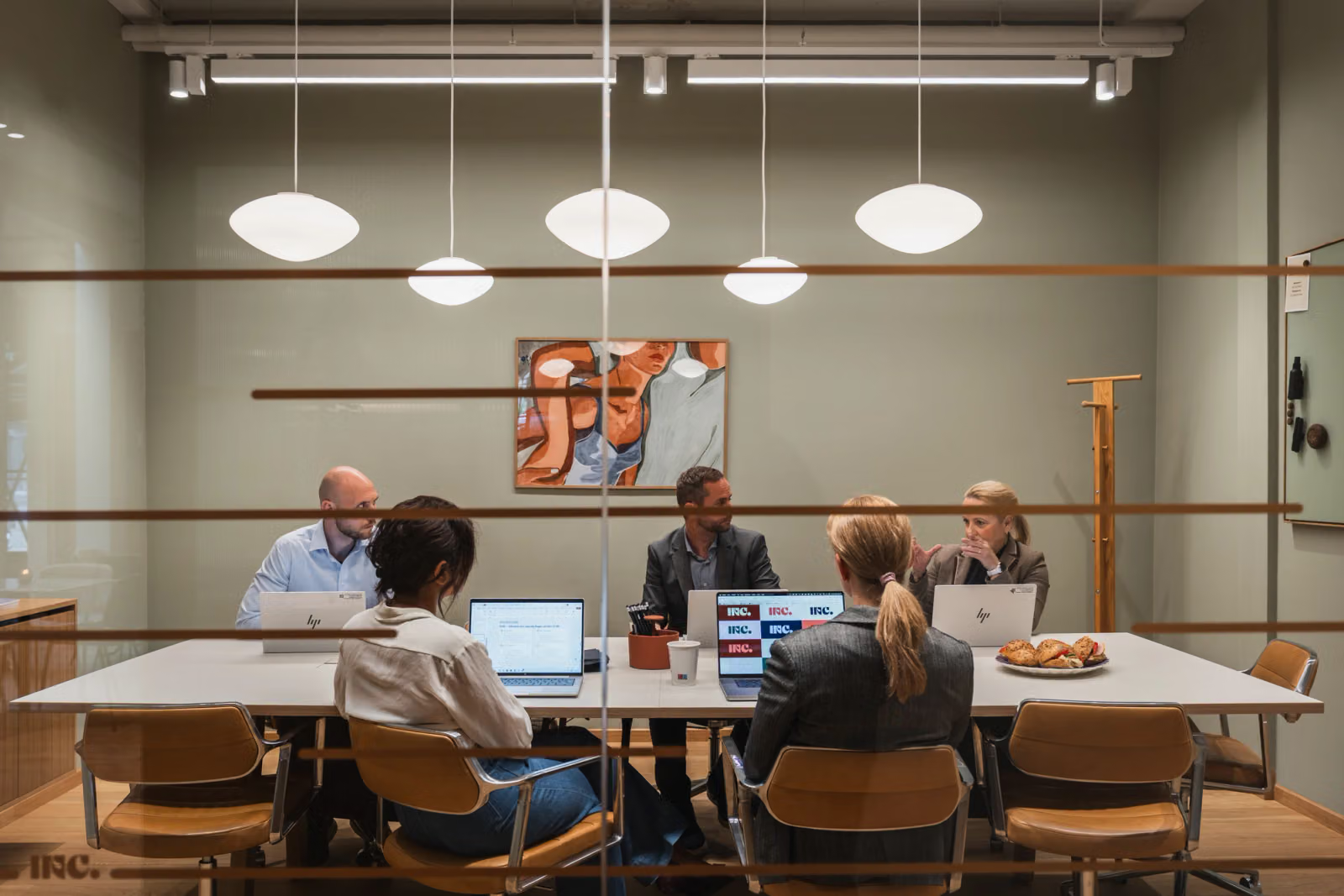
Flexible office solutions offer a different approach. Capacity can be adjusted based on actual demand, whether that means adding or reducing workstations, accessing more meeting rooms, or accommodating periods of higher occupancy.
For a growing number of businesses, this flexibility is increasingly valuable. It is about finding the right balance between the space and services you need on a permanent basis and those you require only when demand changes. By combining the two, companies can avoid paying for unused capacity while reducing uncertainty through the ability to scale up or down as needs evolve.
What Does a Flexible Office Solution Include?
The core offering of a flexible office solution includes everything from welcoming shared spaces and amenities to internet connectivity, workplace technology, furniture and workstations, utilities, day-to-day operations, cleaning, maintenance, a staffed reception, and ongoing workplace support.
This way of leasing office space also provides access to a range of flexible workspace options that can be combined to suit each tenant’s needs:
Private offices for teams that require dedicated space and greater predictability.
Coworking desks for employees who regularly work from the office.
Flex memberships, providing access to a desk or office on an hourly or daily basis.
Meeting, event, and conference spaces that can accommodate everything from small team meetings to larger full-day gatherings and presentations.
What truly sets a flexible office solution apart is the ability to combine these options in a way that reflects how each business actually works. The workspace can be tailored to changing requirements, allowing companies to scale and adapt as needed.
Beyond the practical benefits, flexible offices also offer features that add value to everyday working life. These include attractive social spaces, a vibrant community of other businesses, and a variety of events and networking opportunities that would otherwise require significant resources to create and manage independently.
A Cost Comparison: A Growing Business
To illustrate how different office models compare in practice, let’s look at a business with 10 employees that expects to grow to 25-30 employees over the next two years.
In central Oslo, office space requirements typically average around 20 square metres per employee, which means the company would currently need approximately 200 square metres of space.
With an office rent of around NOK 4,500 per square metre, the annual rent would be approximately NOK 900,000. In addition, service charges commonly amount to NOK 100,000-140,000 per year.
However, rent is only part of the picture.
In a traditional office setup, the business is responsible for everything else. This includes electricity, internet, cleaning, furniture, IT equipment, reception or office management services, maintenance, and day-to-day operations.
When these costs are included, the total occupancy cost will often reach approximately 1.5 times the combined rent and service charges, and in some cases even more. For a company with 10 employees, this typically translates to NOK 1.5-2 million per year.
And this reflects only the company's current situation.
The challenge is that the decision is not made based on 10 employees, but on what the company believes it may grow into during a lease term that could last five years or more. In other words, businesses must plan for future requirements that may or may not materialise.
If the company continues to grow to 40-50 employees, its space requirements could increase to approximately 800-1,000 square metres. Under the same assumptions, annual occupancy costs could then range between NOK 5 million and NOK 8 million.
In practice, businesses are paying for future capacity. They must account for that capacity from day one, even if they do not yet need it.
A flexible office solution works differently.
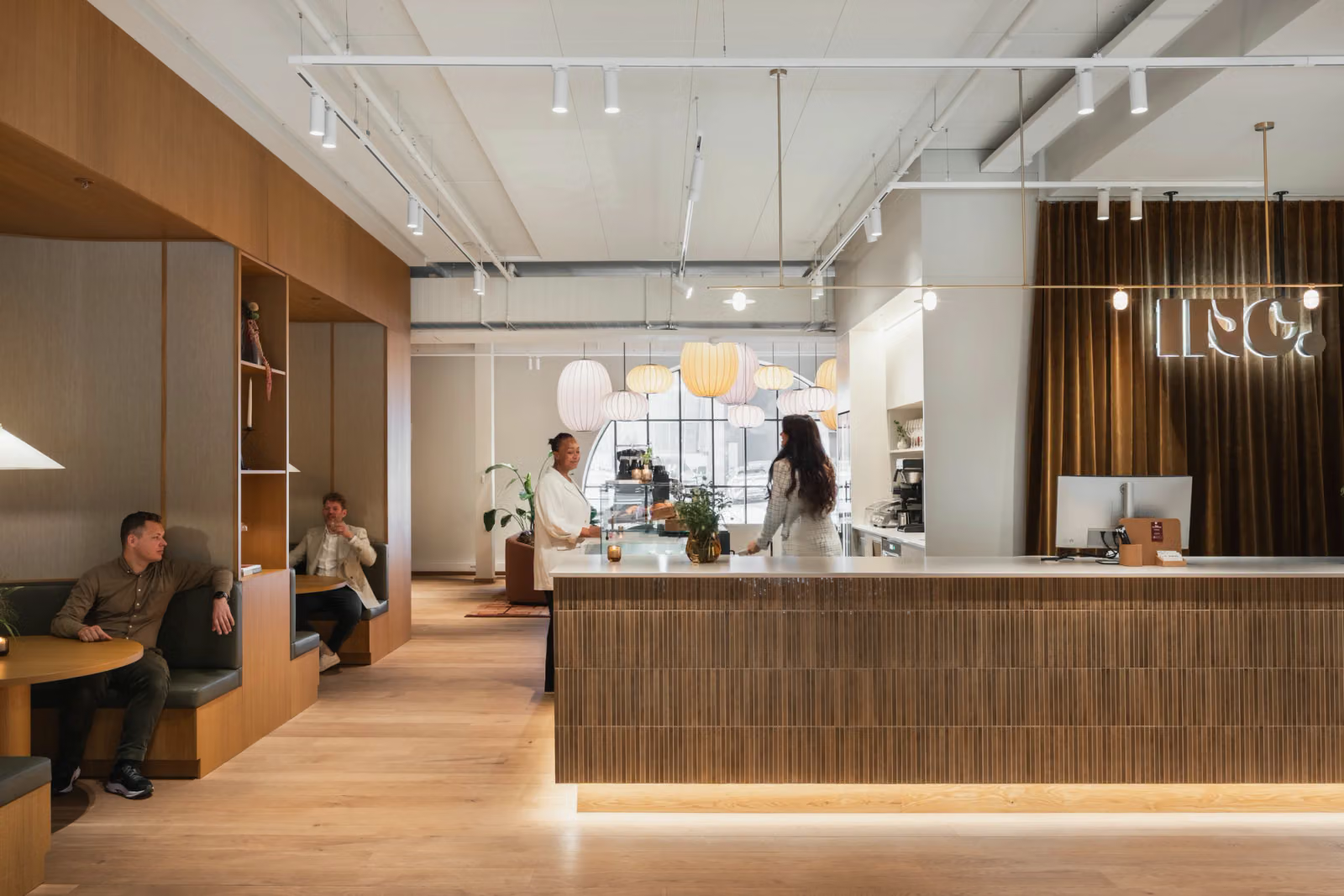
Instead of committing to future requirements upfront, businesses can start with the space they actually need and adjust their capacity as they grow.
For 10 workstations in central Oslo, annual costs typically range between NOK 840,000 and NOK 1.2 million. As the business expands, costs increase gradually alongside actual demand.
At 25-30 employees, annual costs are typically NOK 2.1-3.6 million, while a business with 40-50 employees can expect annual costs of approximately NOK 3.4-6.0 million.
For many businesses, costs begin to approach those of a traditional office lease once they reach around 30 employees and their requirements become more stable. However, if the business continues to grow or its needs remain uncertain, flexible office solutions can continue to provide significant value.
The key difference is that costs follow actual business growth rather than assumptions made years in advance.
Over a five-year period, this can have a substantial impact on a company’s finances. In this example, a flexible office model could generate total savings of NOK 10-20 million compared with leasing for the company’s anticipated full space requirement from the outset.
What Is the Real Difference?
As you can see, choosing an office model is about much more than cost alone. In practice, it comes down to how much flexibility a business needs, how much responsibility it wants to manage internally, and how much risk it is willing to take when planning for future requirements.
For many companies, it is not a question of one model or the other, but of finding the right balance between predictability and flexibility.
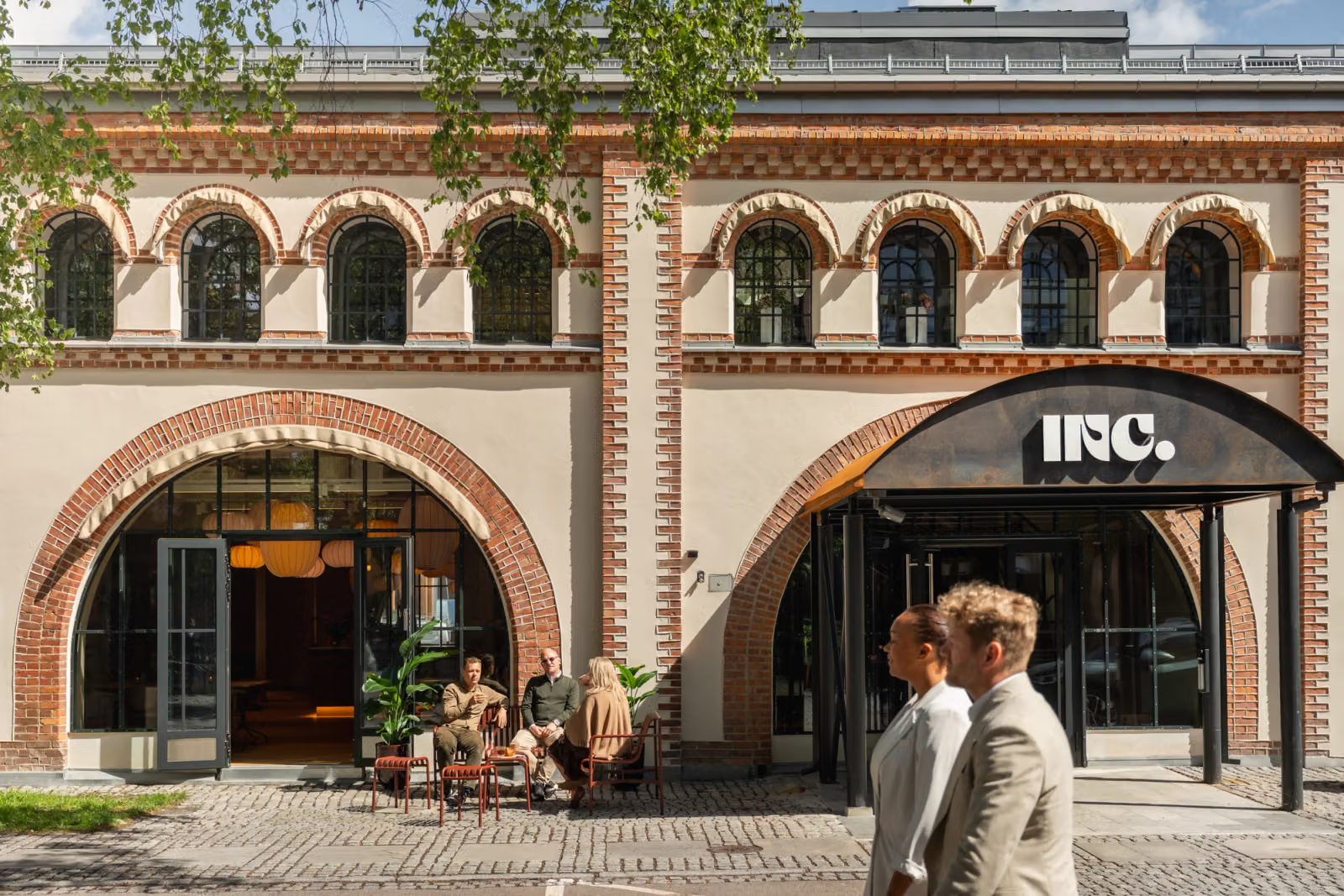
At INC, we develop flexible workspaces and meeting places built around this very principle. We help businesses adapt their office solutions as their needs evolve, ensuring they never commit to more space than they actually require.
At the same time, we work closely with property owners to combine flexible and traditional office solutions within the same building. This allows space to be used more efficiently while giving businesses access to office solutions that can adapt and grow alongside their changing needs.